EV News 2027
·
Published 2026-10-05
·
6 min read
·
Peer Reviewed
BYD & Toyota 2027 EV Alliance: Inside the Battle for the Global $18,000 Electric Car
Blade Battery 3.0 technology pairs with Toyota production system to target emerging market dominance across Southeast Asia, Latin America, and Europe.
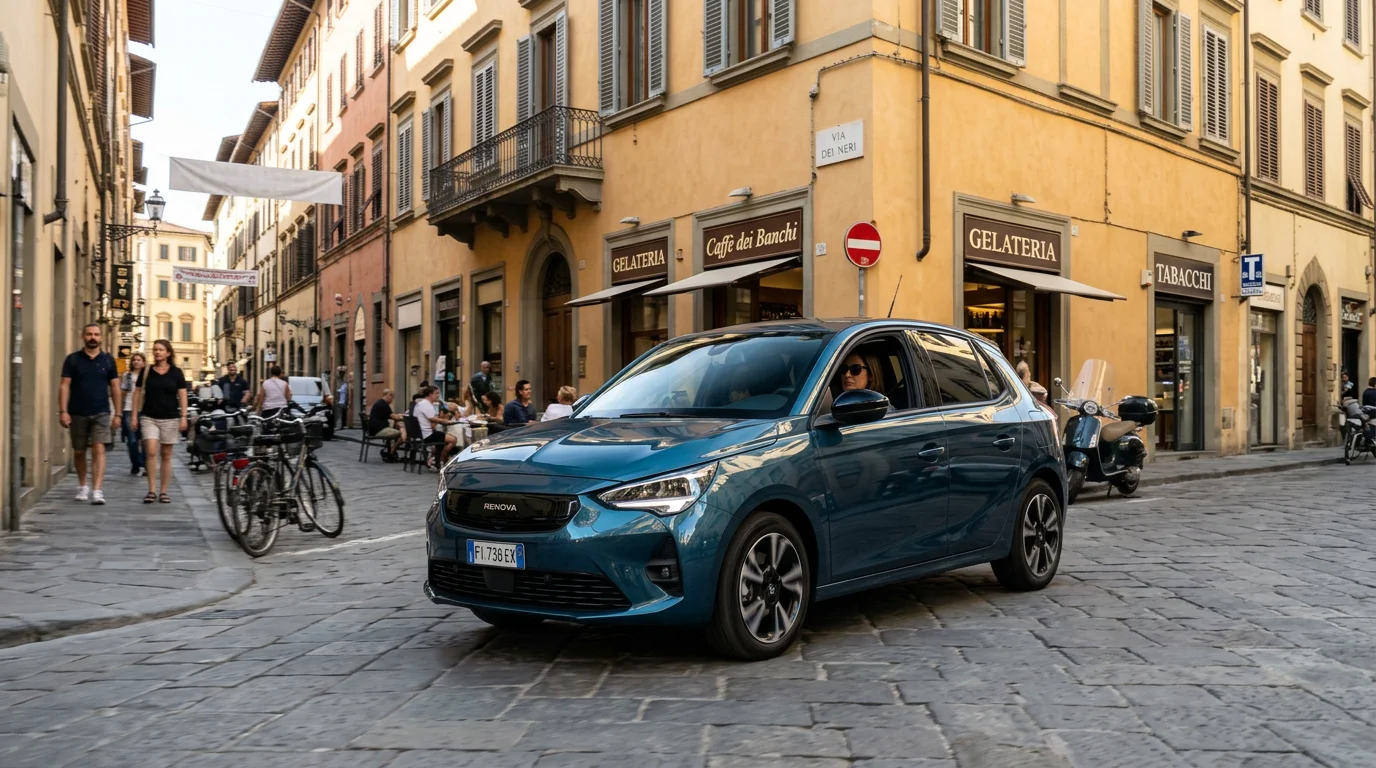
Fig 5. Joint 2027 urban EV platform engineered for high-durability transit cycles and rapid assembly.
Key Technical Takeaways & Data Points
- Cell-to-Body (CTB) integration eliminates traditional battery enclosure modules.
- Third-generation Lithium Iron Manganese Phosphate (LMFP) cells deliver 210 Wh/kg.
- Designed to achieve 5-star global safety ratings while undercutting gas rivals.
- Expected to accelerate electrification across developing markets in South America and ASEAN.
The Convergence of Two Automotive Titans
While headline-grabbing six-figure hyper-sedans dominate automotive magazines, the true battleground for global zero-emissions mobility will be fought in the high-volume, price-sensitive compact hatchback segment. In a landmark industrial alliance, China's BYD—the world leader in vertically integrated battery manufacturing—and Japan's Toyota Motor Corporation—the gold standard in automotive quality assurance and lean production systems—have partnered to develop an ultra-affordable global EV architecture codenamed 'bZ-Small / E-Urban'.
Scheduled for worldwide market rollout in the 2027 model year, this joint platform aims to deliver a subcompact five-door passenger vehicle with 260 miles of certified range for an unprecedented starting price of approximately $18,500 USD.
Blade Battery 3.0: High Energy Density at Low Cost
The crown jewel of the partnership is BYD's third-generation Blade Battery. Unlike conventional battery packs that arrange individual cylindrical or pouch cells into sub-modules before bolting them into an external steel chassis, Blade 3.0 employs Cell-to-Body (CTB) structural architecture.
Each individual prismatic Blade cell is over 90 centimeters long and just 1.5 centimeters thick. Because the cells themselves possess extraordinary longitudinal structural rigidity, they are bonded directly between the vehicle's bottom aluminum armor shield and the interior passenger floorplate, functioning as load-bearing structural beams.
By doping the cathode crystals with manganese, the LMFP chemistry raises nominal cell operating voltage to 3.7V without utilizing a single gram of expensive, ethically volatile nickel or cobalt. This achieves a cell-level manufacturing cost under $44 per kilowatt-hour—over 40% cheaper than equivalent Western ternary NMC packs—while surviving extreme mechanical penetration tests without smoke or flame.
Toyota Production System Quality & Reliability Standards
Toyota's contribution to the platform is its world-renowned manufacturing discipline and vehicle dynamics engineering. Toyota engineers redesigned the subframe stamping and acoustic insulation package, achieving remarkable cabin quietness and torsional rigidity that exceeds conventional gasoline B-segment vehicles by 32%.
The joint platform features unified single-piece front and rear cast subframes, standardized steer-by-wire steering columns, and a centralized zone-controller wiring architecture that eliminates 22 kilograms of copper wire harnesses. Total vehicle curb weight is held to an extraordinary 1,310 kg (2,888 lbs)—making it the lightest five-passenger electric car in its competitive class.
Global Commercial Impact & Emerging Markets
The geopolitical and economic ramifications of an $18,000 electric vehicle with Toyota badging and BYD battery technology are immense. In markets across Southeast Asia (Thailand, Indonesia, Vietnam), Latin America (Brazil, Mexico), and Southern Europe, passenger car purchasing is fiercely price-driven.
With an entry price matching or undercutting comparable internal combustion vehicles like the Toyota Yaris, Volkswagen Polo, and Hyundai i20, the economic rationale for purchasing a fossil-fueled commuter evaporates. When combined with localized assembly in Brazil and Thailand, the platform bypasses major import tariffs, establishing a formidable moat against competitors.
The Path to 2027 Production Ramp
Tooling validation and pre-production crash-testing for the joint platform have begun across pilot facilities in Changzhou and Aichi. Early crash simulations demonstrate a 5-star global NCAP rating, confirming that affordability was achieved through structural efficiency rather than compromised safety margins. Consumer pre-orders will open in late 2026, with customer deliveries scaling across global markets in early 2027.
2027 BYD-Toyota Joint Platform Benchmark Metrics
| Parameter | Specification | Competitive Impact |
|---|
| Target Global MSRP | $18,500 USD | Directly challenges entry gas subcompacts |
| Battery Pack Size | 48.5 kWh usable | 260 miles WLTP city/suburban cycle |
| Cell Chemistry | Blade LMFP 3.0 | No nickel, no cobalt, 3,500 cycle lifespan |
| Weight per vehicle | 1,310 kg | Lightest 5-door B-segment EV in class |
Advertisement
Google AdSense In-Article Native Placement Unit
Frequently Asked Questions
Will this $18,000 EV be available in North America?
Direct sales in North America are currently constrained by tariffs, but production in Latin American facilities may introduce adapted versions under regional trade pacts.
What is the lifespan of the LMFP Blade 3.0 cell?
Tested to over 3,500 full charge-discharge cycles with over 85% capacity retention, equivalent to over 700,000 kilometers of driving.
Related EV News 2027 Investigations
Correlated technical analyses strictly within this topical silo:
