AI & Autonomous Mobility
End-to-end neural network driving, automotive edge silicon, and in-cabin generative AI.
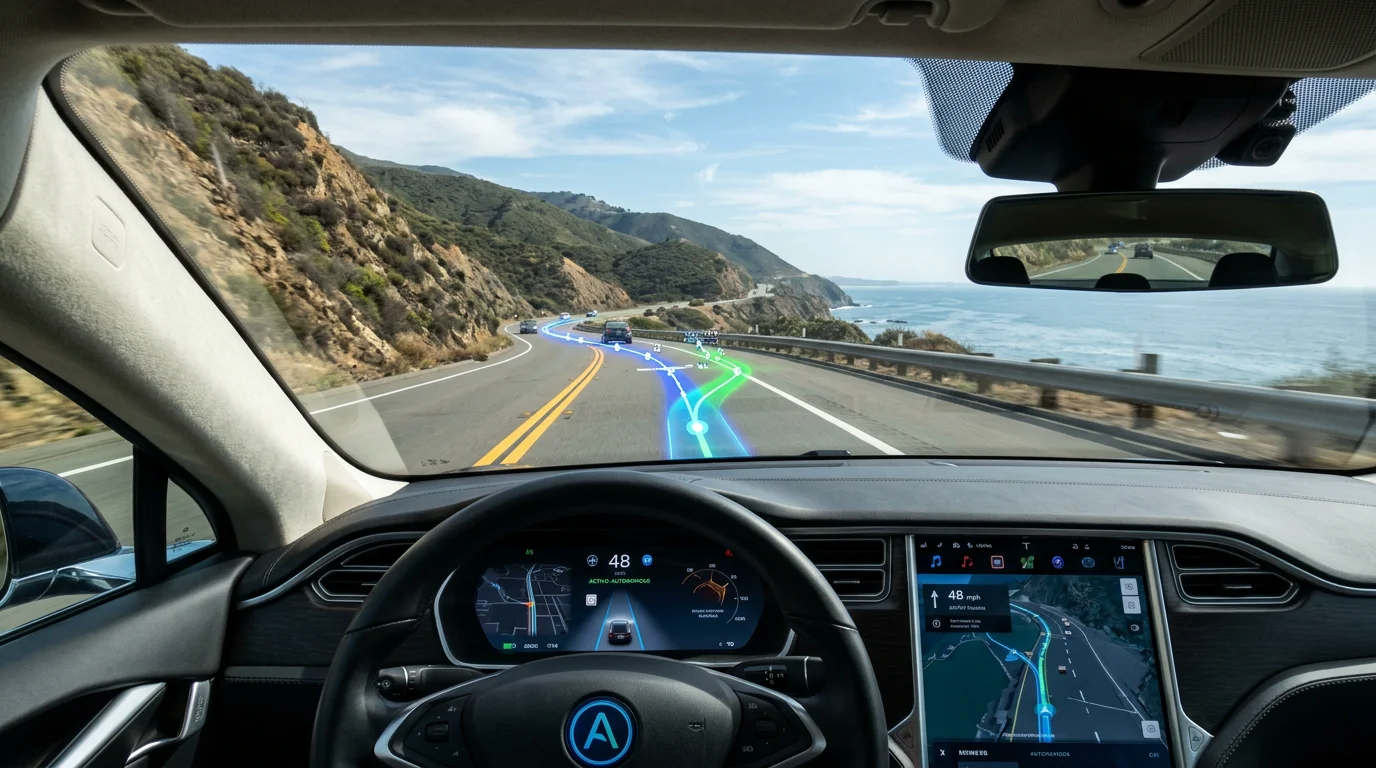
End-to-End Neural Networks: Why Autonomous Driving Completely Ditched Hand-Coded Rules
Autonomous driving engineering has undergone its most profound architectural shift: discarding hundreds of thousands of hand-written rules in favor of end-to-end neural networks.
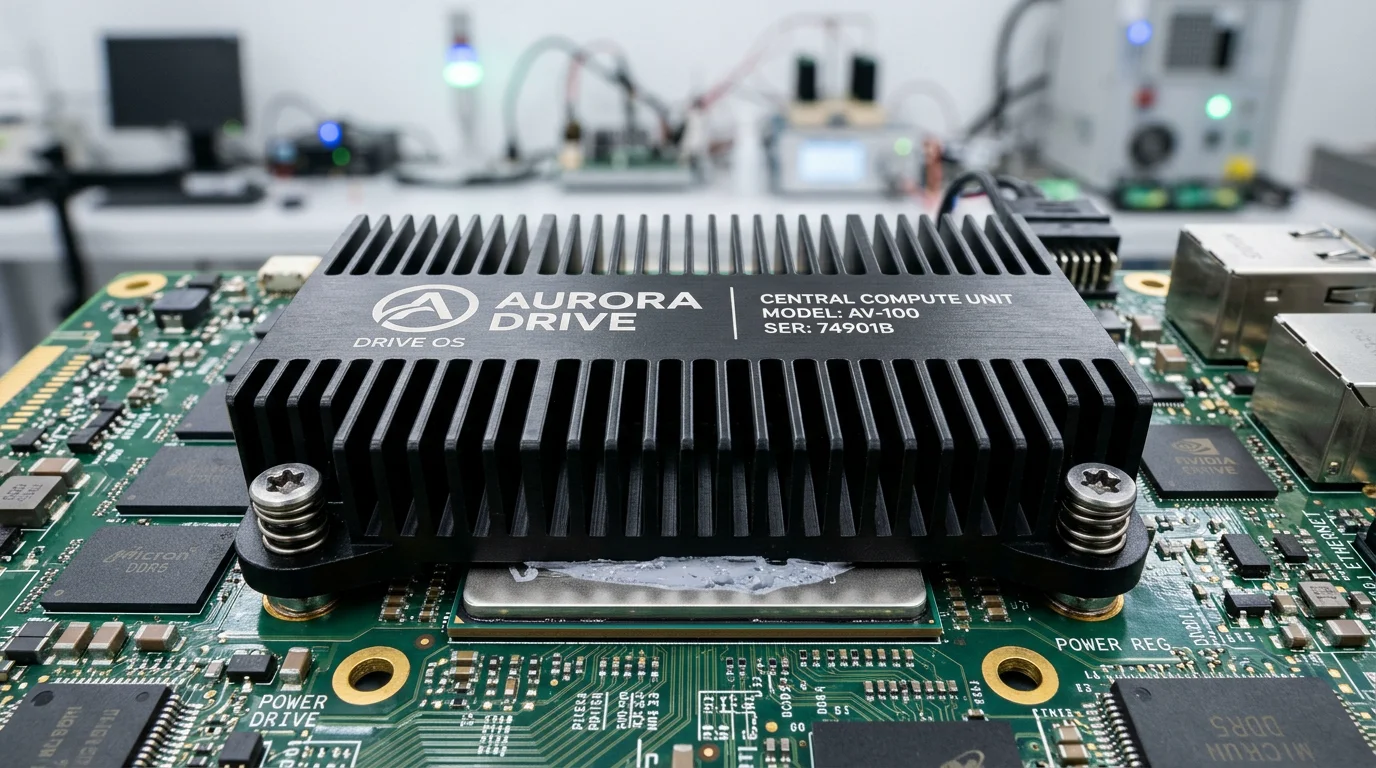
Edge AI Silicon in Software-Defined Vehicles: NVIDIA Drive Thor vs Qualcomm Snapdragon Ride
The battle for the brain of the next-generation car has narrowed to two semiconductor titans: NVIDIA Drive Thor and Qualcomm Snapdragon Ride Flex.
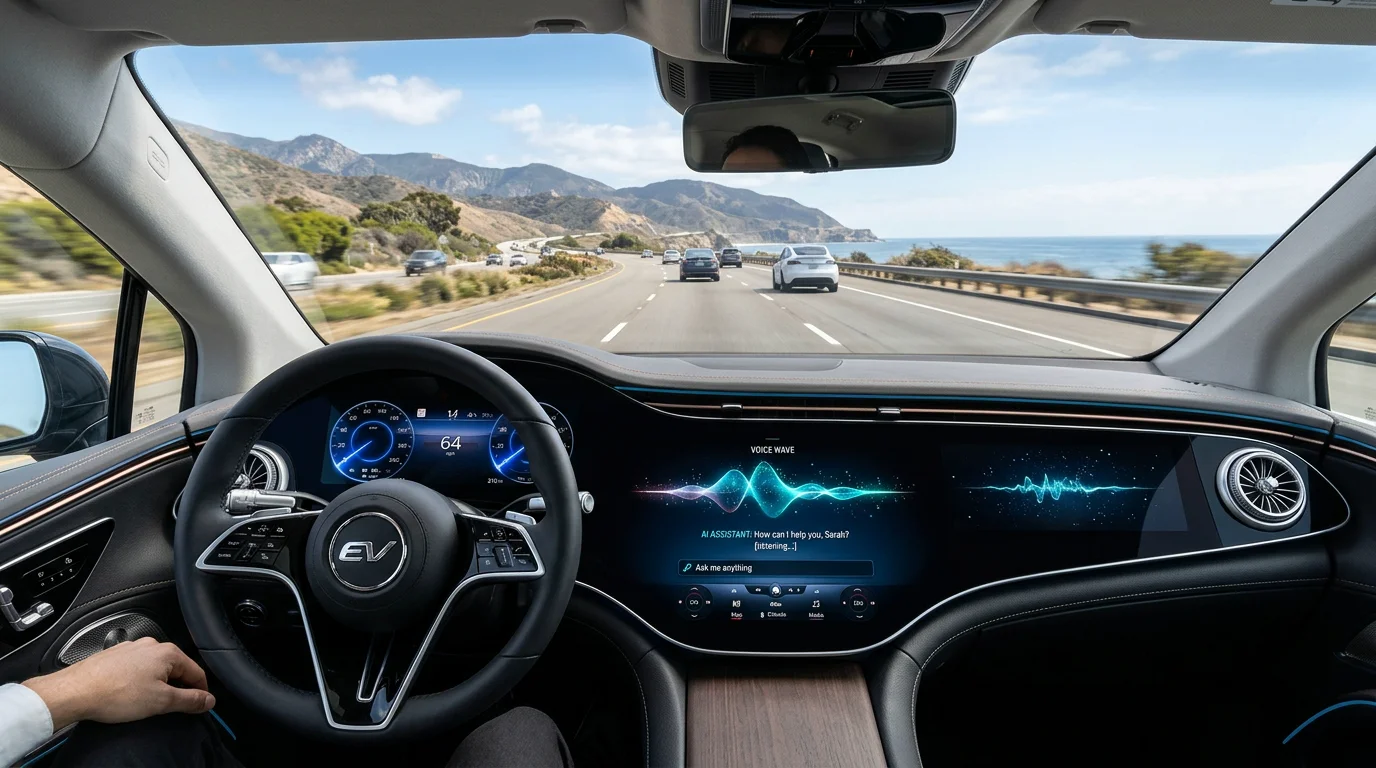
Generative AI In-Cabin Assistants: How Large Language Models Redefine Vehicle Interaction
Automotive voice recognition is finally escaping its decades-long reputation for robotic frustration, thanks to quantized small language models running locally inside the dashboard.
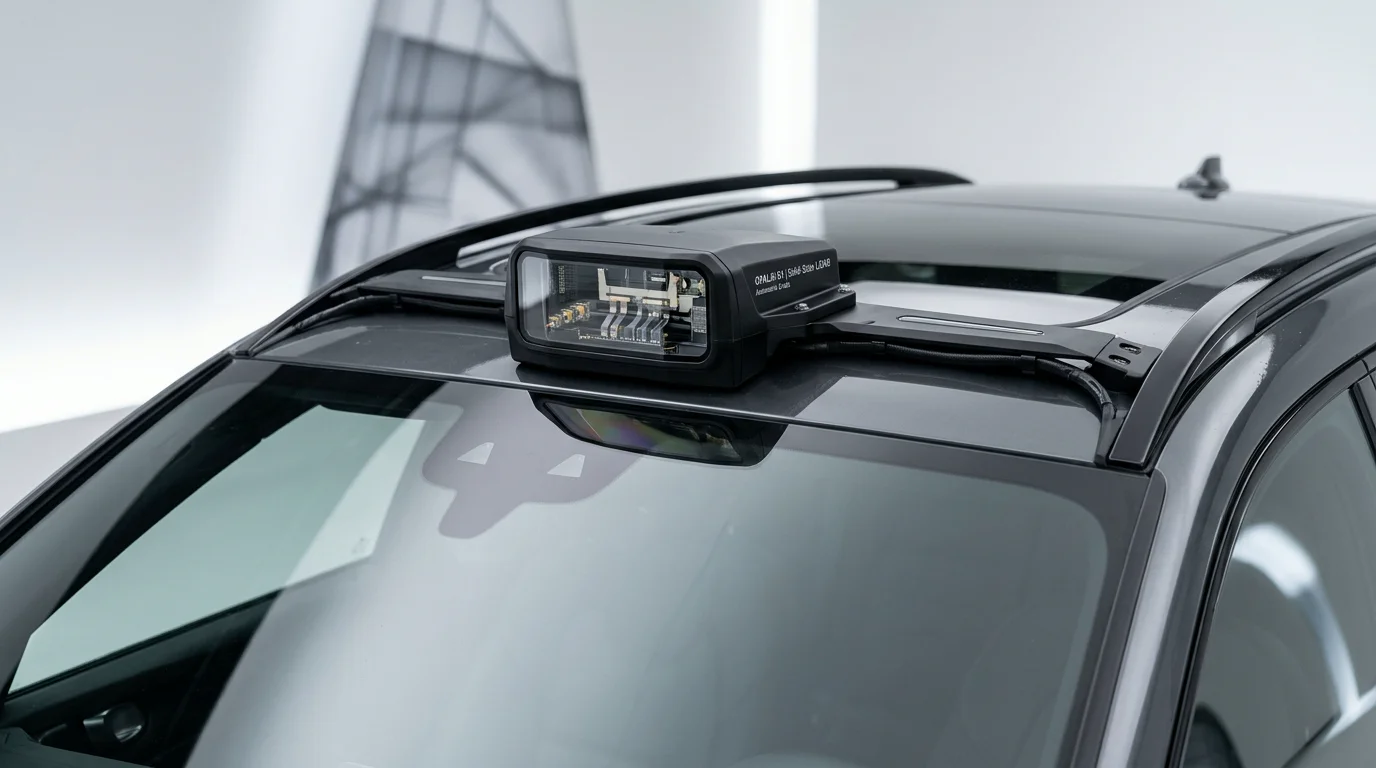
Solid-State LiDAR vs Pure Vision: The 2027 Autonomous Sensor Suite Verdict
The bitter industry debate between pure computer vision and active LiDAR sensing has settled into an engineering consensus as solid-state LiDAR costs collapse below $300 per unit.
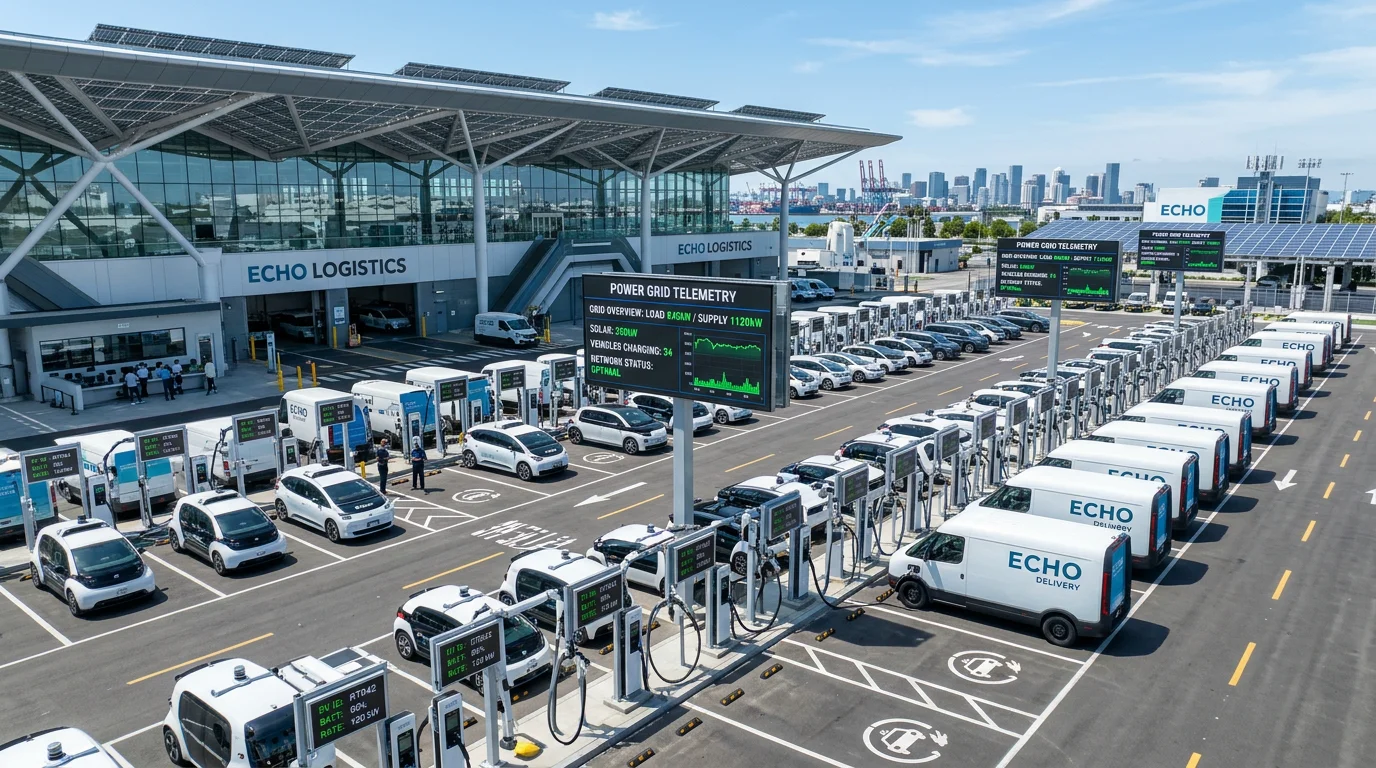
AI Fleet Orchestration: How Robotaxis & Autonomous Fleets Stabilize the Power Grid
As commercial robotaxi fleets and electric delivery vans scale to tens of thousands of units, predictive AI algorithms are transforming them into grid-stabilizing virtual power plants.